Research
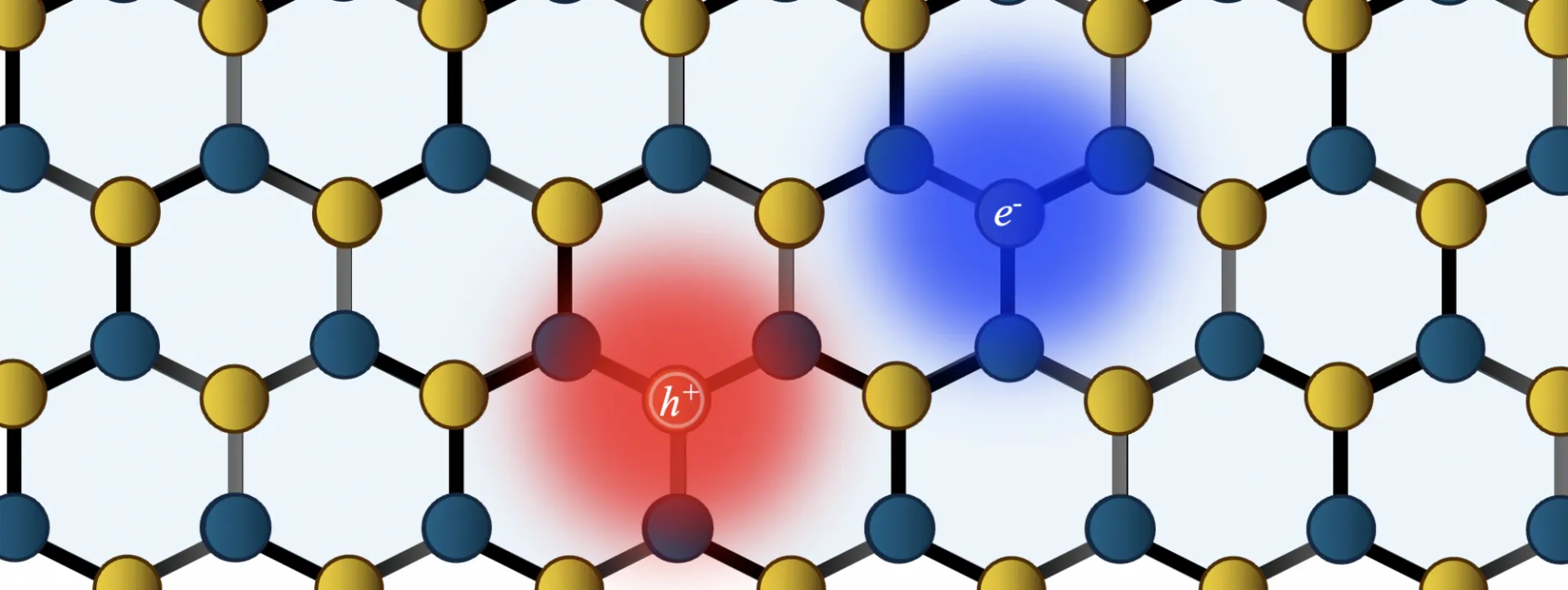
In collaboration with several experimental groups and theorists, we have developed widely used theory to explain the optical properties of 2D materials such as 2D transition metal dichalcogenides (TMDs) [1], the formation of higher order excitonic complexes [2], and the nature of defects and dopants in TMDs[3] and in graphene [4].
[1] Physical Review Letters 113, 076802, (2014).
[2] Physical Review B 88, 045318, (2013).
[3] Nature Materials 12, 554, (2013).
[4] Science 333, 999, (2011).
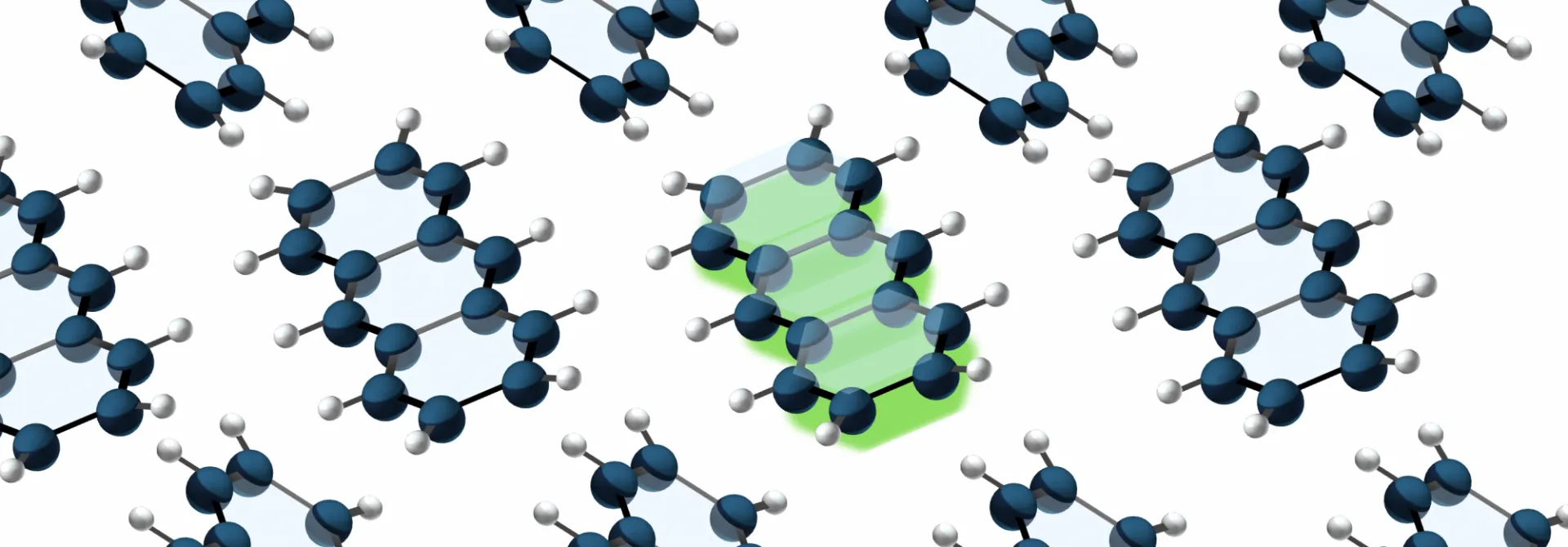
In a series of highly cited papers [5], our group developed a predictive, microscopic theory of singlet fission in molecules and solids which incorporates the fundamental role of vibrations and phonons in the process. This theory, and its later modifications [6], quantitatively predicted the crossover from non-adiabatic to adiabatic fission rates prior to experimental evidence, and has provided a unified picture of the role of charge transfer states and coherence in the fission process.
[5] Journal of Chemical Physics 138, 114102, (2013); Journal of Chemical Physics 138, 114103, (2013); Journal of Chemical Physics 141, 074705, (2014).
[6] Journal of Chemical Physics 146, 174703, (2017).
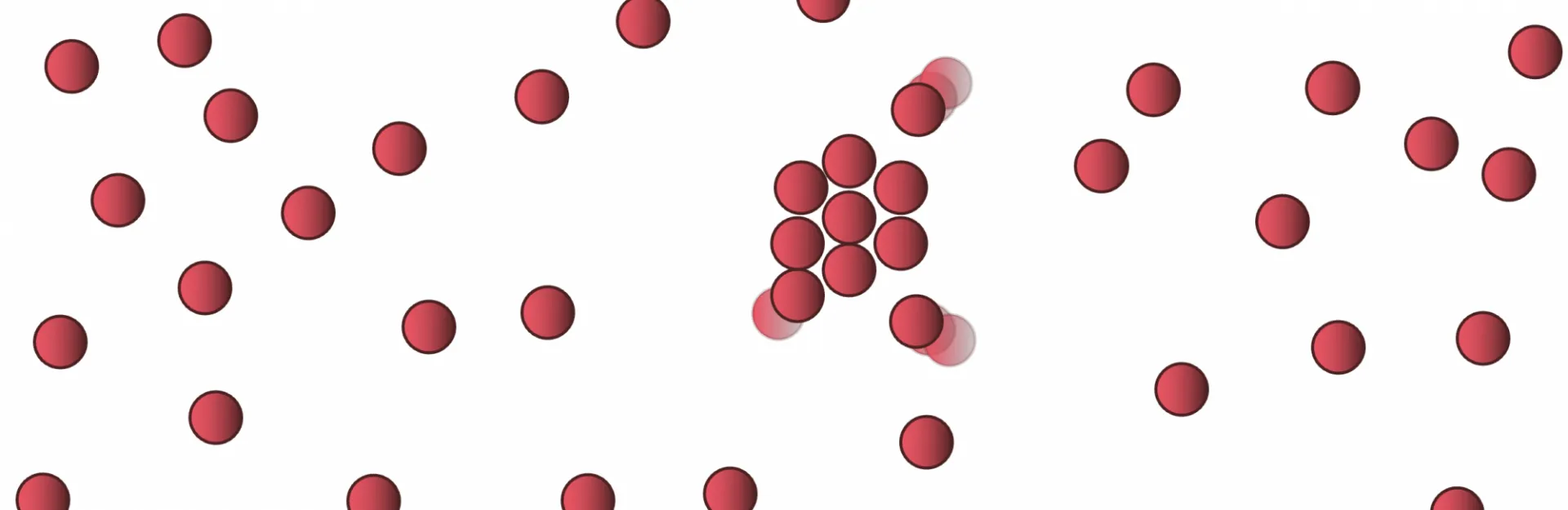
Our group has made fundamental contributions to the theory of soft matter and self-assembly processes. Collaboration with Eran Rabani and Phill Geissler led to the canonical theory of the ubiquitous process of evaporation-mediated self-assembly [7]. Our group has also developed widely cited work on physical gelation [8] as well as tools to describe the non-linear rheology of colloidal suspensions [9].
[7] Nature 426, 271, (2003).
[8] Physical Review Letters 95, 238302, (2005).
[9] Physical Review Letters 98, 238303, (2007).
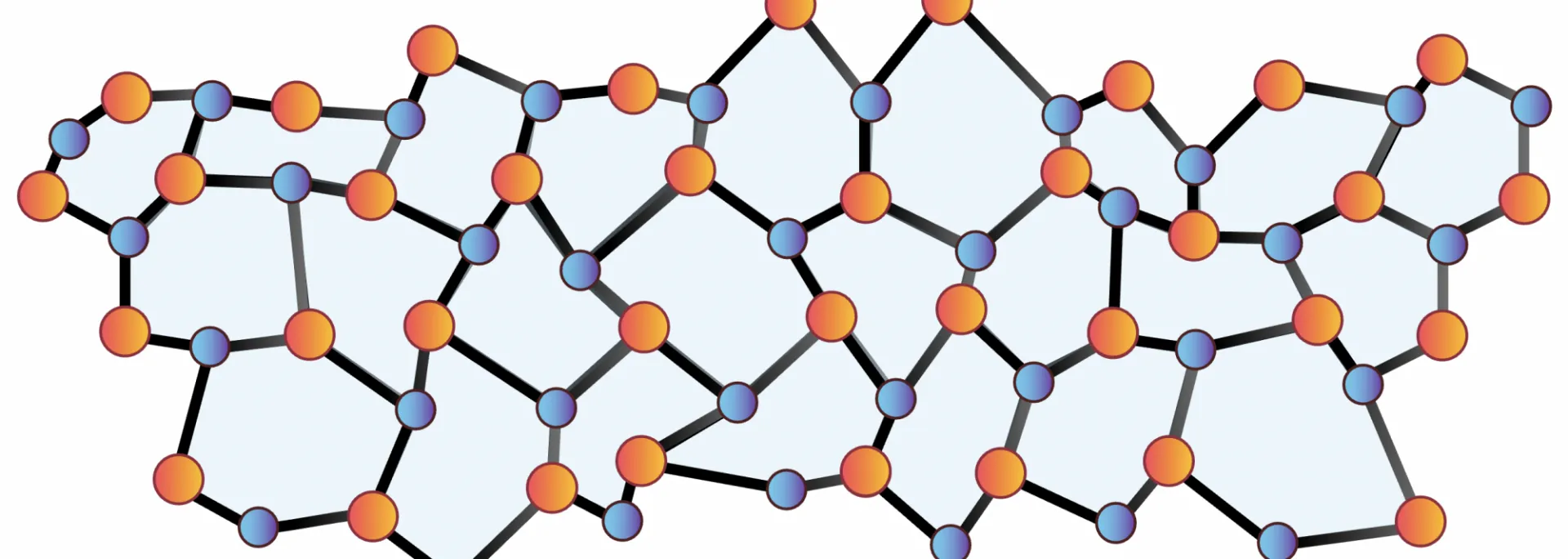
Over the last two decades our group, together with many collaborators, has made numerous important contributions to the theory and simulation of supercooled liquids, including the development of the canonical mean-field theory of growing dynamical length scales in supercooled liquids [10] as well as the framework for understanding such effects beyond the mean-field [11] and the connection between soft modes and dynamical heterogeneity [12]. Our lecture notes on the mode-coupling theory of the glass transition are a widely cited resource in the field [13].
[10] Physical Review Letters 97, 195701, (2006).
[11] Journal of Chemical Physics 126, 184503, (2007); Journal of Chemical Physics 126, 184504, (2007)
[12] Nature Physics 4, 711, (2008).
[13] Journal of Statistical Mechanics: Theory and Experiment, P05013, (2005).
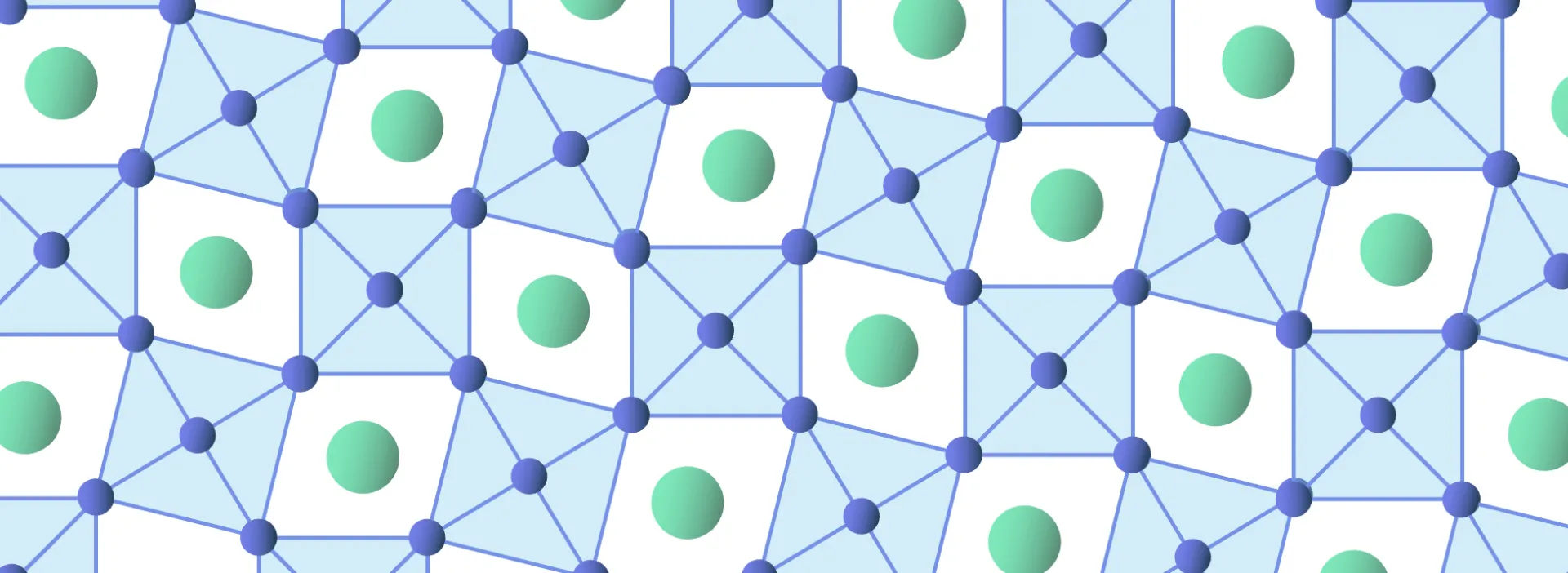
Our group has helped develop an influential predictive and microscopic theory of the interplay between soft, anharmonic lattice fluctuations and optical and electronic excitations in the important halide perovskite class of materials [14]. This theory has been reviewed in a recent review with our collaborators on this subject [15].
[14] Nano Letters 18, 8041, (2018).
[15] ACS Energy Letters 6, 2162, (2021).
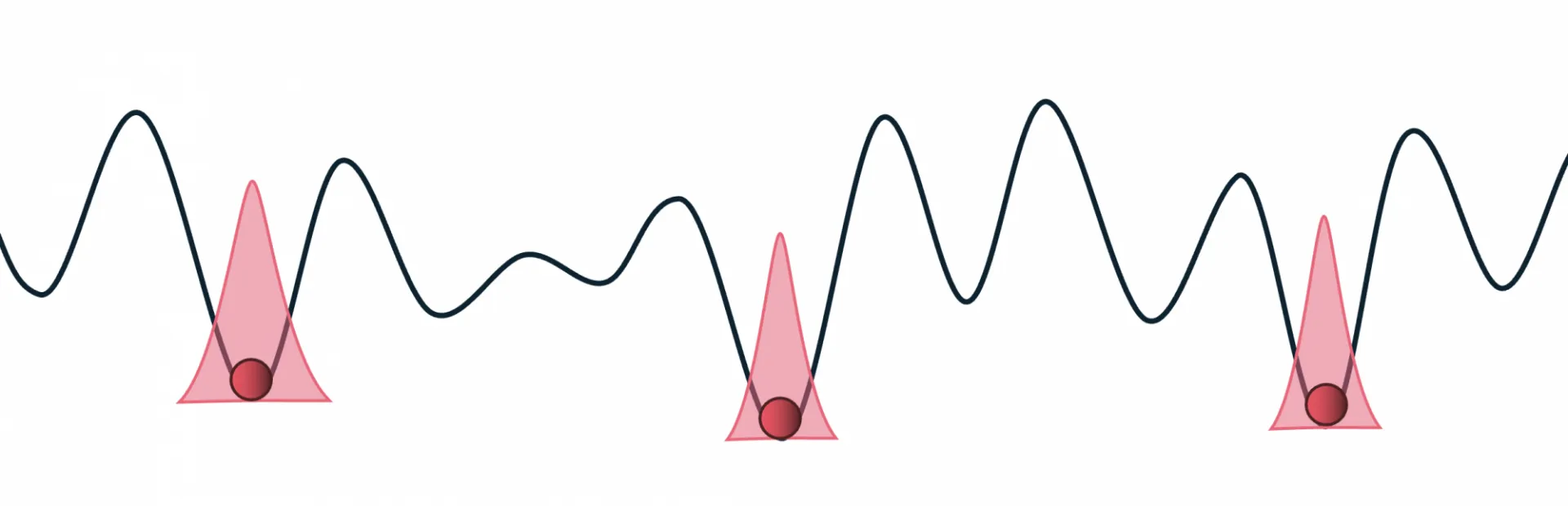
Our group has made several impactful contributions to understanding system where an interplay between quantum effects, glassiness and ergodicity appear. In the field of many-body localization, our group was the first to argue (using both approximate theory [16] and controlled exact numerics [17]) that the dynamics of disordered spin chains exhibit long-lived slow power-law decays even in thermal regions of the phase diagram. This prediction has been confirmed by several subsequent studies, both experimental and theoretical. Our group was the first to argue that quantum fluctuations can enhance glassiness in quantum fluids [18]. Recently we, along with several collaborators, have provided the most detailed and convincing in silico evidence for the Anderson-Halperin-Varma picture of the thermodynamic role tunneling defects in low-temperature glasses [19].
[16] Physical Review B 89, 220201, (2014).
[17] Physical Review Letters 114, 100601, (2015).
[18] Nature Physics 7, 134, (2011).
[19] Physical Review Letters 124, 225901, (2020).

Along with colleague Andrew Millis and other collaborators, our group has put forward several novel and influential theories of unconventional superconductivity in solids, including light-driven superconductivity [20], superconductivity in the Chevrel materials [21], and unconventional electron-phonon-driven high temperature superconductivity [22].
[20] Nature Physics 13, 479, (2017).
[21] Physical Review Materials 2, 114801, (2018).
[22] Physical Review X 13, 011010, (2023).
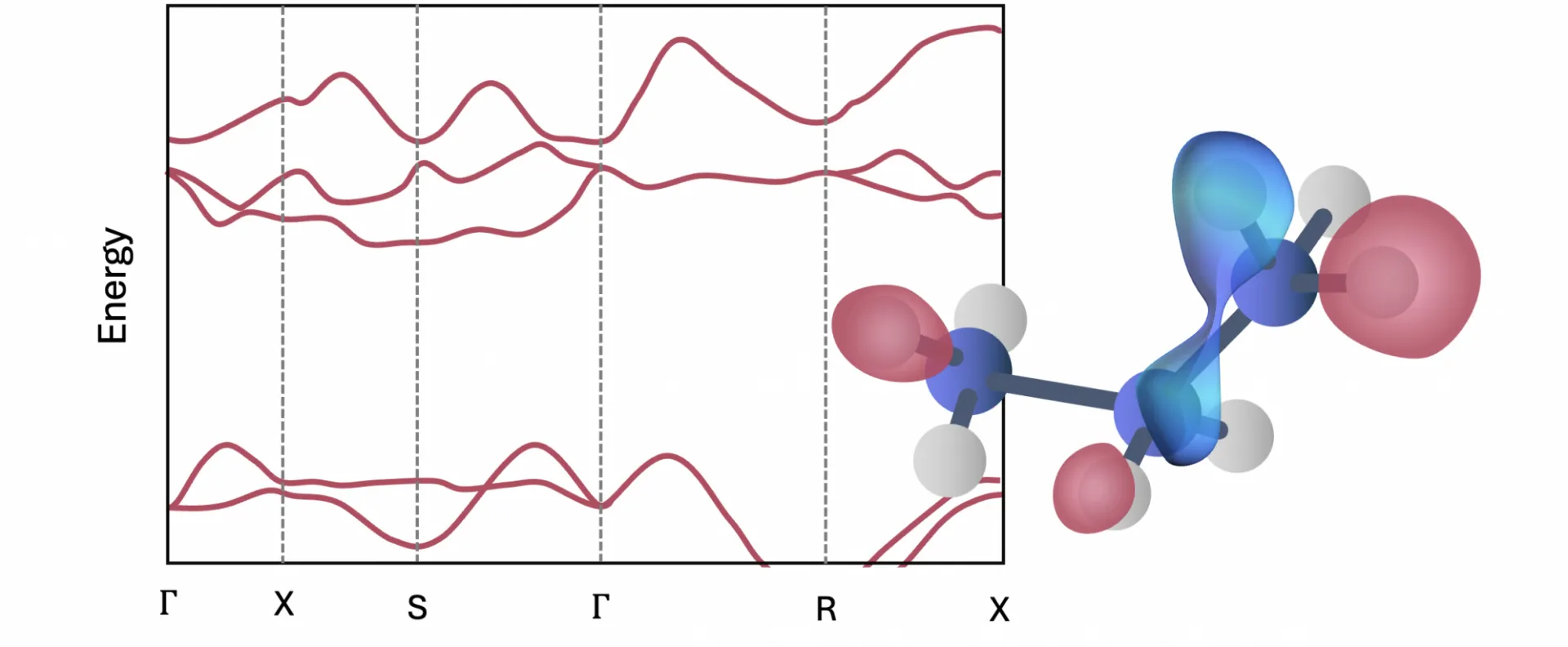
Our group has made several advances to help bring auxiliary-field quantum Monte Carlo (AFQMC) to its current status as a state-of-the-art electronic structure approach for large molecules [23]. Our group was among the first to develop a proper many-body theory for embedding in quantum chemistry based on the DMFT formalism [24]. In recent years in influential work we have helped develop as well as assess quantum computational approaches for electronic structure theory [25].
[23] Journal of Chemical Theory and Computation 18, 7024, (2022).
[24] Physical Review Letters 106, 096402, (2011).
[25] Nature 603, 416, (2022); Nature Communications 14, 1952, (2023).
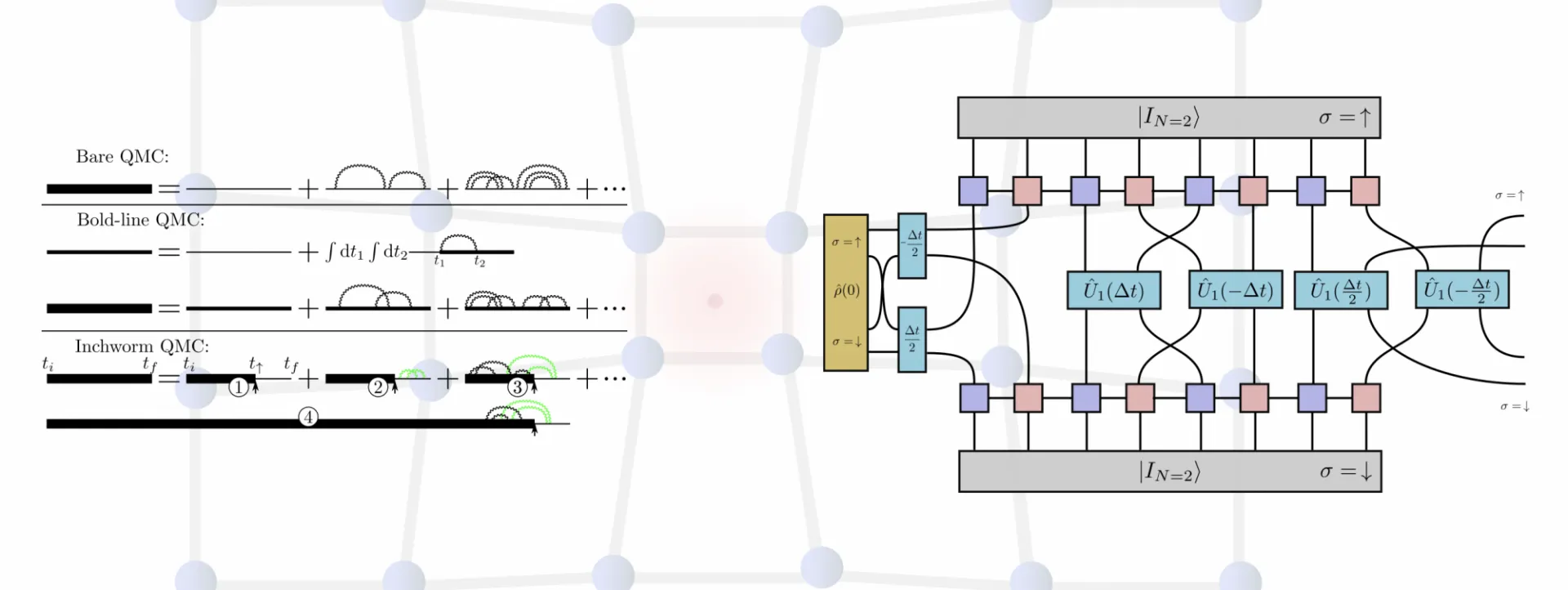
Our group has a long track record of developing impactful approximate [26] as well as exact [27] real-time dynamical methodologies for the study of transport and relaxation in condensed phases. Prominent among these approaches is the exact real-time “inchworm” quantum Monte Carlo method [28]. We have recently developed several powerful convergent and controllable approaches to study real-frequency spectral problems in electron-phonon coupled systems in periodic solids [29].
[26] The Journal of Chemical Physics 144, 184104, (2016).
[27] Physical Review B 82, 205323, (2010).
[28] Physical Review Letters 115, 266802, (2015).
[29] ArXiv preprint arXiv:2405.08701 (2024); Physical Review B 104, L140307, (2021).
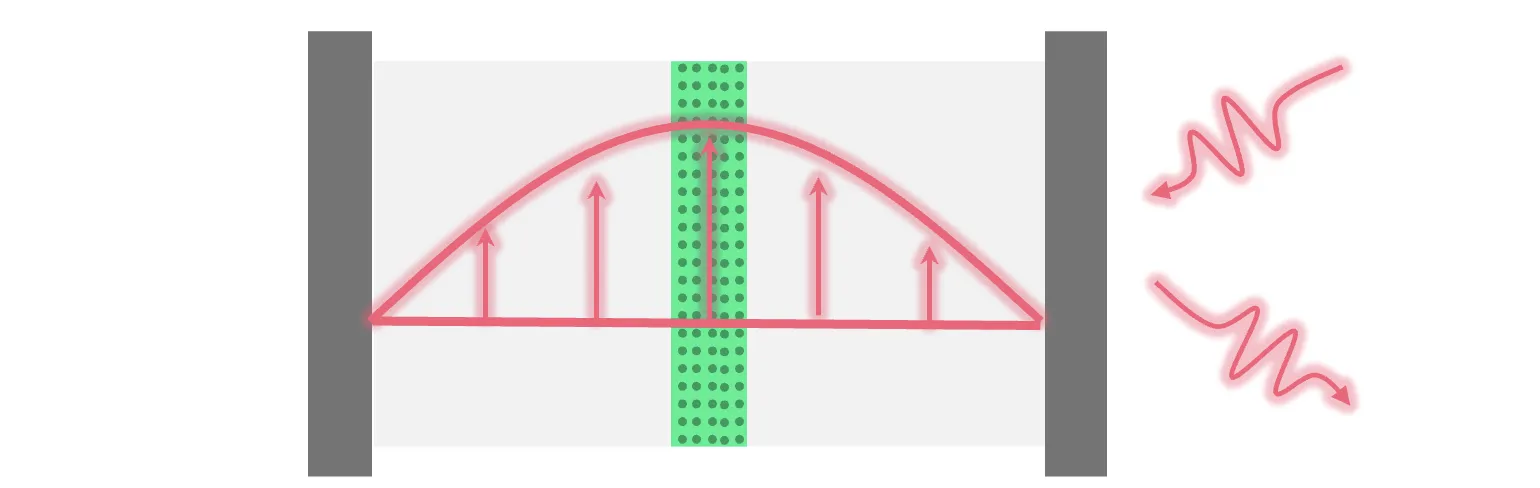
Very recently our group has developed theory to understand polariton transport in solids [30] as well as the role that a confined electric field may play in altering chemical reactivity in the single molecule [31] and collective regimes [32]. This latter work is the first to employ exact, fully quantum mechanical simulation techniques to these problems.
[30] Nature Communications 14, 3881, (2023).
[31] Nature Communications 14, 2733, (2023).
[32] Nanophotonics 2024; published online, March 18, (2024).